
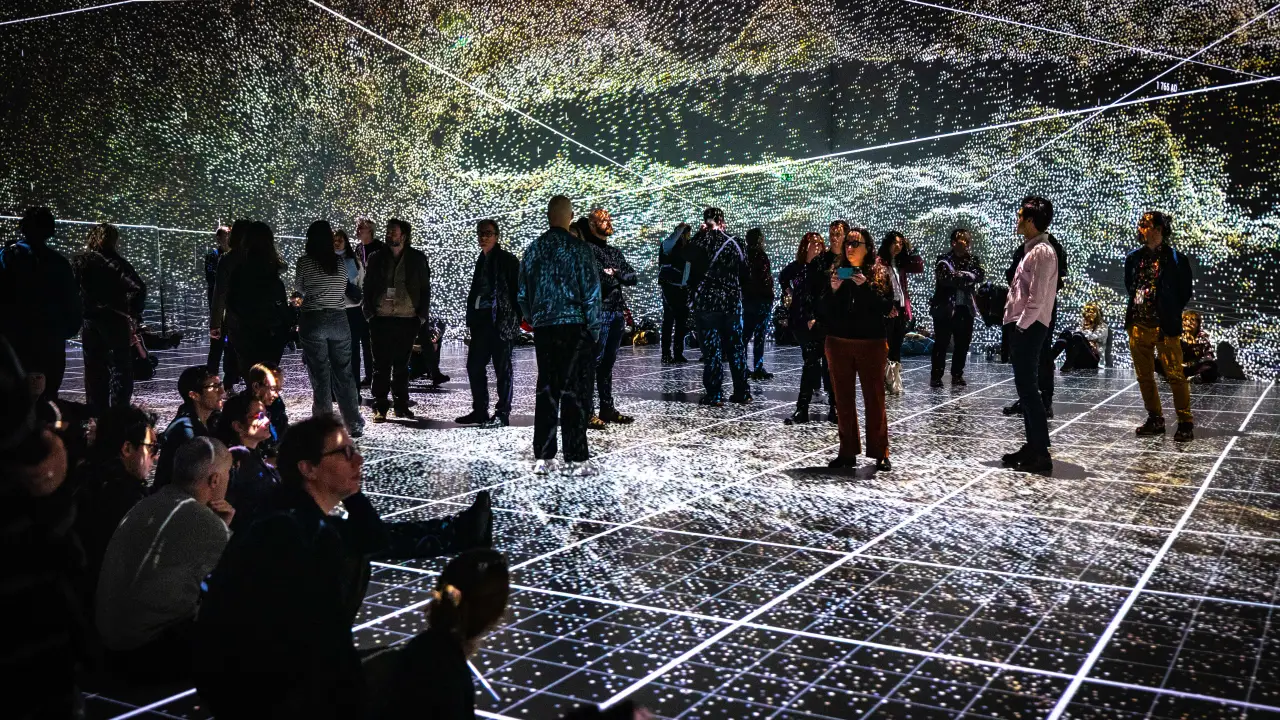
Launched in 2021 by the Quebec association Xn Québec and the French cultural agency {CORRESPONDANCES DIGITALES], Numix Lab has established itself as much more than just a digital culture event: it is a structuring mechanism for a creative sector that is still consolidating. In immersive storytelling, digital art, and interactive formats, value is not limited to the quality of the works themselves. It also depends on the collective ability to organize a coherent production and distribution chain: teams that know each other, venues that cooperate, funders who understand the cycles, institutions that take risks, and shared methods for transforming experimentation into continuity.
Cover: NUMIX LAB 2025 @ CODE, Veszprém (Hongrie) 📸 Csaba Toroczkai
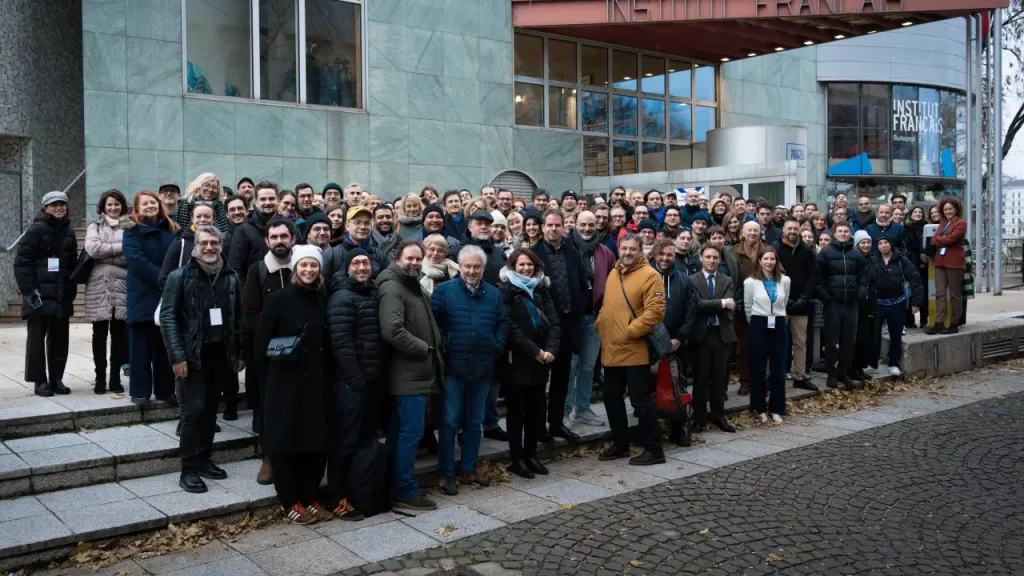
Through the 2025 edition (6th year), and according to feedback from Antoine Roland, CEO and founding partner of {CORRESPONDANCES DIGITALES], whom we met, Numix Lab is taking on this role of relational infrastructure: accelerating cooperation, strengthening local ecosystems, and connecting these dynamics on an operational European scale.
Register for the debriefing of this latest edition, online on February 24 at 4 p.m., here.
A unifying event: building an industry, not just a program
Since its inception, Numix Lab has been a unifying event for the creative digital sector. Its main contribution is to create a structured space where players who often work in parallel can meet: artists, studios, venues, institutions, networks, financiers, and public decision-makers. This cross-disciplinary approach is essential in the immersive sector, where technical complexity, diversity of formats, and hybridization of economic models make cooperation indispensable.
The 2025 Austro-Hungarian edition (between Budapest, Veszprém, Vienna, and Linz!) marks another step forward in this trajectory. Antoine Roland observes that the dynamics of participation reflect a real need in the sector: approximately 330 participants on site, supplemented by an online extension before and after the event, with representation from 28 countries. The goal is now to eventually reach a level of 400 to 500 physical participants. Beyond volume, the most telling indicator remains the intensity of professional exchanges: around 1,200 meetings organized during the event, signaling a rise in the role of Numix Lab as a platform for qualified networking.
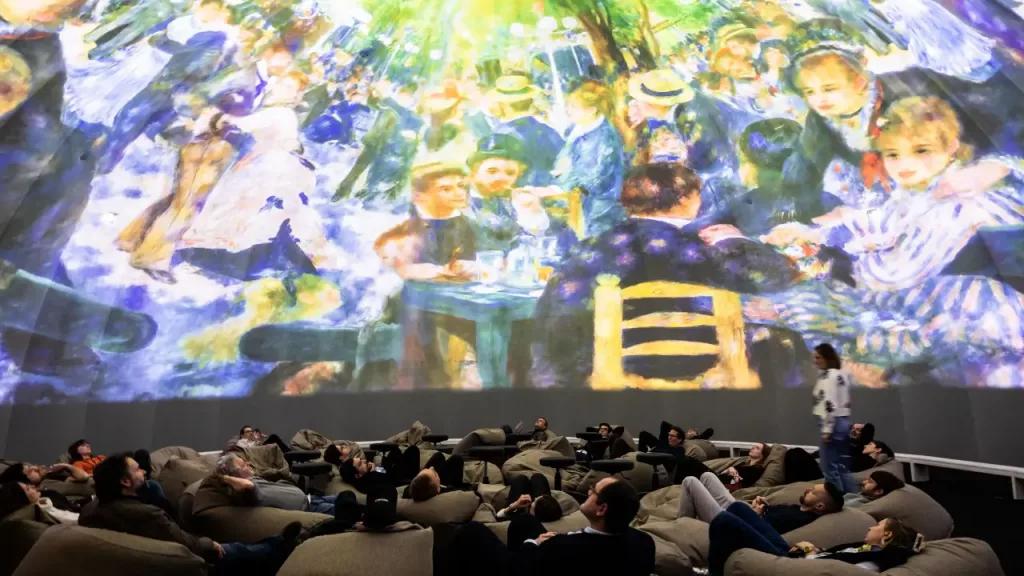
This evolution reflects a change in nature: Numix Lab is no longer limited to an inspiring series of visits and meetings. It is gradually becoming a tool for interpreting and driving change in the sector, combining content (structured discussions), workshops (skills development), and events (concrete activation of partnerships).
Our 2023 interview: “There is now an obligation to develop a hybrid approach to the exploitation of innovative cultural experiences” – Christophe Salomon, Antoine Roland (NUMIX LAB)
The local network: an economical infrastructure for consolidating ecosystems
One of the strategic points promoted by Numix Lab is the role of local networks in building a sustainable industry. In immersive creative industries, the lack of regional cooperation automatically leads to economic fragility: high coordination costs, teams that are reassembled for each project, difficulty in recouping investments (equipment, premises, skills), and increased dependence on exceptional opportunities.
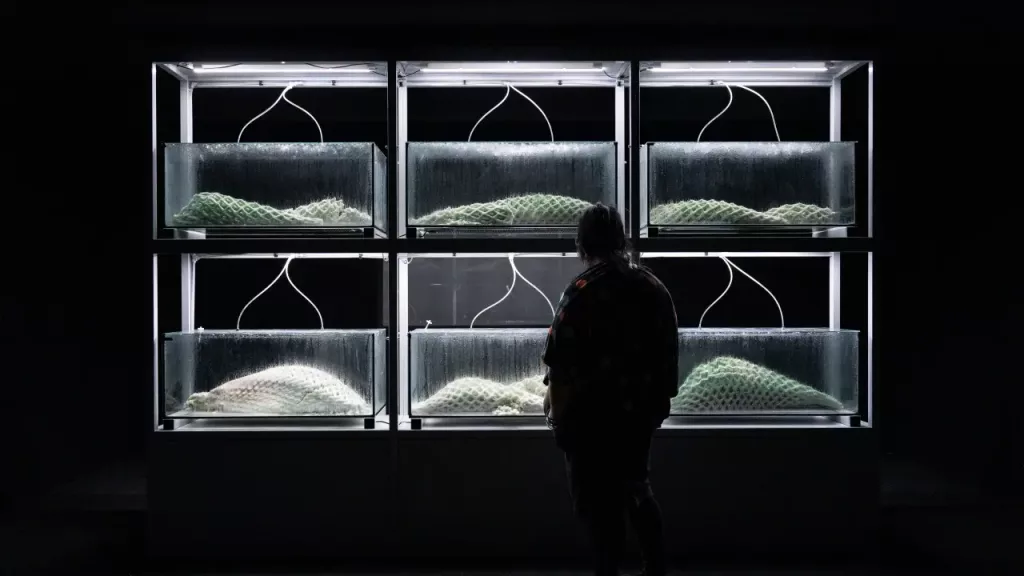
Conversely, a cooperative local ecosystem becomes a more efficient domestic market: skills circulate, partnerships stabilize, projects are set up more quickly, and distribution gains continuity. This is a key macroeconomic factor: the sector’s value stems as much from its ability to capitalize on investments as from its ability to produce works.
Antoine Roland emphasizes the diversity of contexts and models in Europe, particularly in Central Europe. In areas that receive less support from structured public policies, stakeholders have often developed hybrid practices, combining artistic creation, event commissioning, interventions in public spaces, and private partnerships. This hybridization, born out of necessity, becomes a source of learning for other ecosystems that are more dependent on a primarily subsidized model. The challenge is clear: to strengthen the economic sustainability of the sector through a diversity of outlets and better coordination between creation, commissioning, and dissemination.
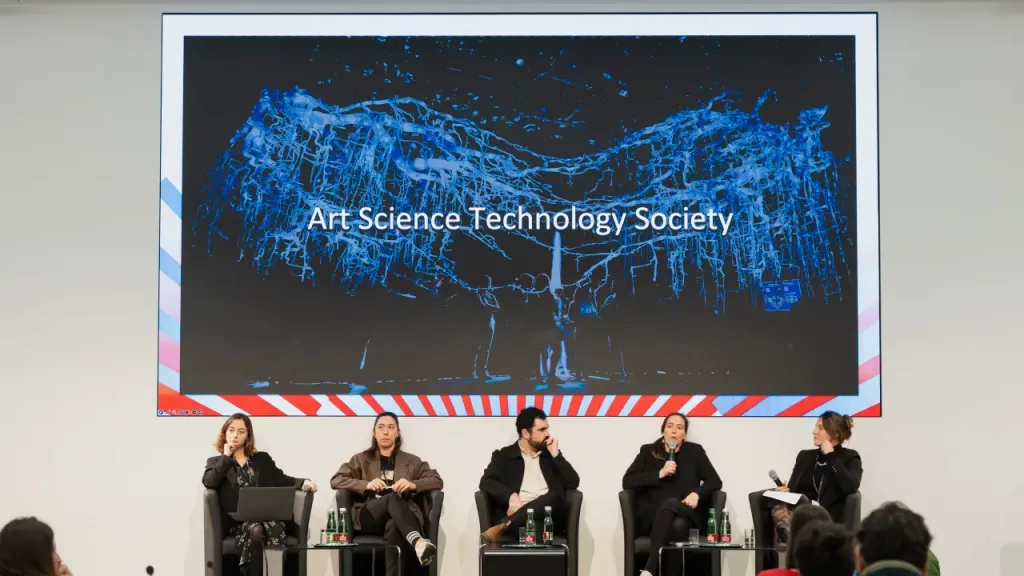
At the same time, he highlights a significant tension: while some segments of the distribution chain are beginning to take shape and form networks (particularly immersive theaters), others are experiencing a slowdown. The museum sector, in particular, is undergoing a period of intense budgetary pressure and increased demands (particularly in terms of environmental responsibilities), which may slow down investment in digital devices. However, he observes that medium-sized museums can, in some cases, offer better conditions for appropriation and engagement, with more motivated teams and favorable public reception. This interpretation calls for a review of certain dissemination strategies that are overly focused on large institutions, and for consideration of more agile, localized, and replicable networks.
European networking: connecting markets to scale up
Numix Lab also stands out for its European approach, designed to serve as an operational lever. Here, internationalization is not limited to welcoming foreign participants: it aims to connect ecosystems, bring networks of places closer together, and build bridges between scenes that are still unfamiliar with each other. In an immersive industry where distribution remains one of the main points of fragility, connecting territories means connecting markets, thus creating conditions for a more regular circulation of works and teams.
- Fifth edition in collaboration with XR HUB Bavaria, XRBB, and Kunstkraftwerk, from November 25 to 29, 2024, in Munich, Leipzig, and Berlin.
- Fourth edition in collaboration with Brussels Major Events, from December 4 to 8, 2023, in Belgium and the Netherlands.
- Third edition in collaboration with Film Fund Luxembourg, the Région Grand Est, and K8, from November 22 to 26, 2022, in the three border countries of Luxembourg, France, and Germany.
- Second edition from May 23 to 27, 2022, in Montreal, Quebec City, and Ottawa.
- First edition for a five-day event in Paris.
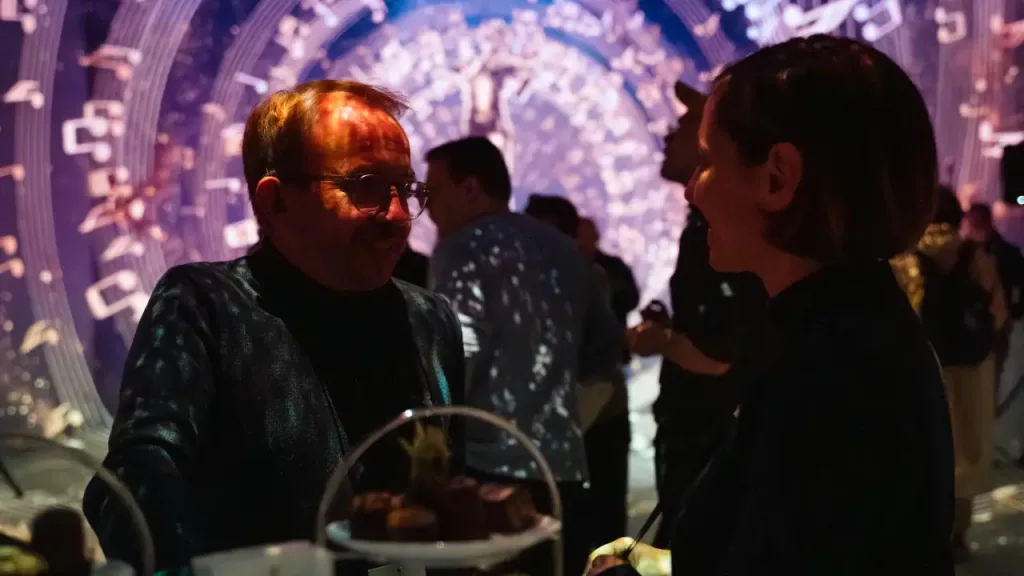
Antoine Roland describes Numix Lab as a “groundbreaking” tool: a format that allows ecosystems to be read in the field, emerging dynamics to be identified, and encounters to be facilitated that can turn into concrete collaborations. However, he acknowledges one key point: networking works very well during the event, but transforming it into projects is more complex. Several avenues are being explored to address this challenge.
First, analytical capitalization work, with the preparation of a white paper on European digital creativity, designed as a document of trends and benchmarks by type of location. Next, a reflection on tools and platforms, with caution regarding governance and operational responsibility represented by a database maintained over time. Finally, a very pragmatic approach: smaller cohorts (mini-delegations) to enhance the effectiveness of collaborations and accelerate the transition from meeting to action.
The announced trajectory confirms this territorial and European logic: a future edition is planned to take place in Toulouse, Barcelona, and Madrid, with a common theme focused on creative territories and different areas of focus (immersive scientific culture, immersive live experiences, museums). In the medium term, broader prospects are also being discussed, with the ambition of expanding further across Europe.
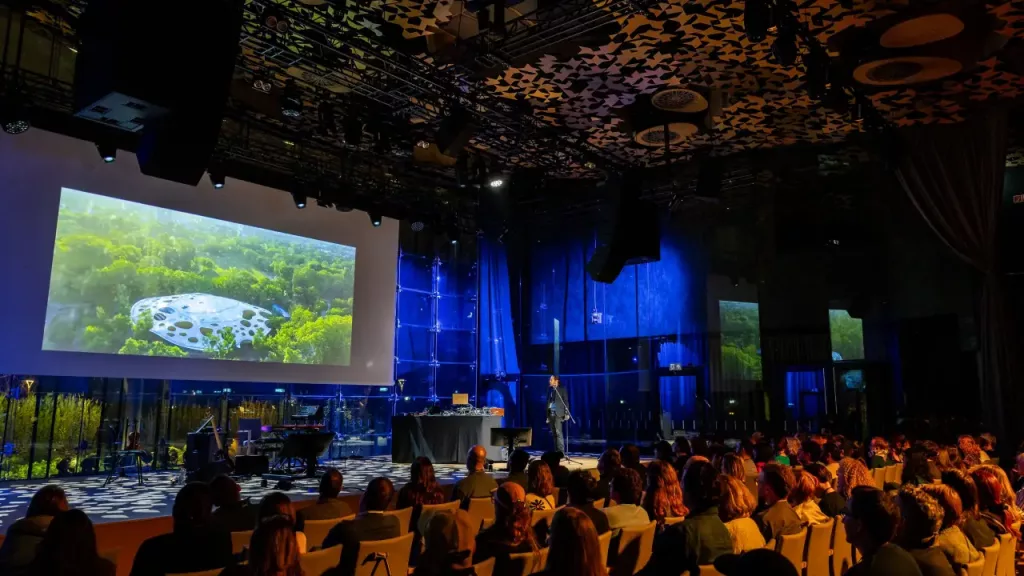
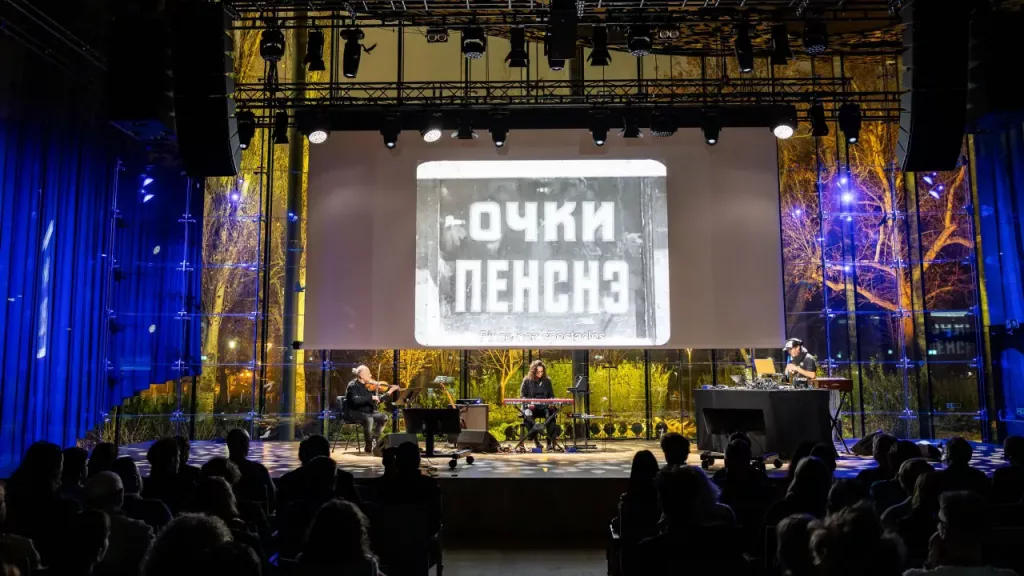
In a context where the immersive creative economy needs to take a leap forward—moving from prototypes to reproducible models, from informal networks to structured channels, from one-off showcases to continuous distribution—Numix Lab appears to be a particularly relevant initiative. Its value lies in a rare combination: strengthening local dynamics while building European bridges. In other words, it contributes to the emergence of an industry that is based not only on creative excellence, but also on the collective ability to cooperate, disseminate, and ensure sustainability.
Leave a Reply
You must be logged in to post a comment.