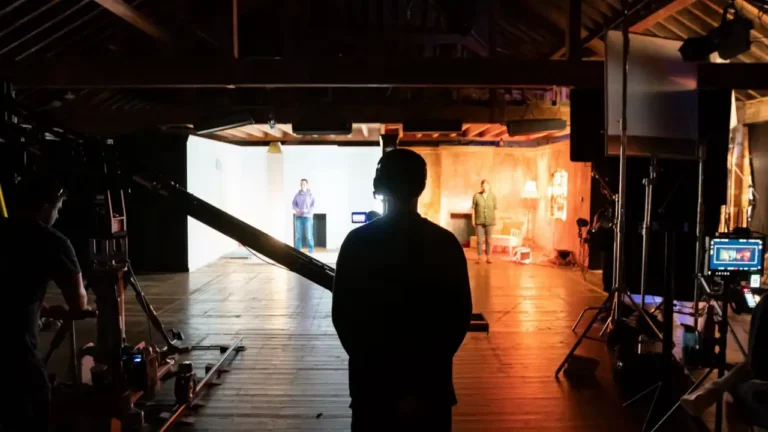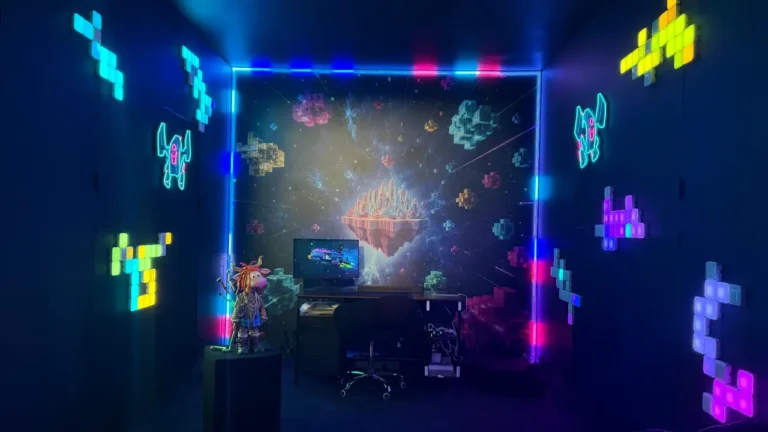
New perspectives, different horizons, illuminated inequality: the list of enriching features we consume as documentary viewers is long. So, it’s no surprise that the market is going from strength to strength. Sky Documentaries launched as a dedicated channel in 2020; Apple TV splashed out $25m for an insight into the life of Billie Eilish; a warts-and-all look at the workings of the multi-billion-dollar ATP tennis tour is currently in production.
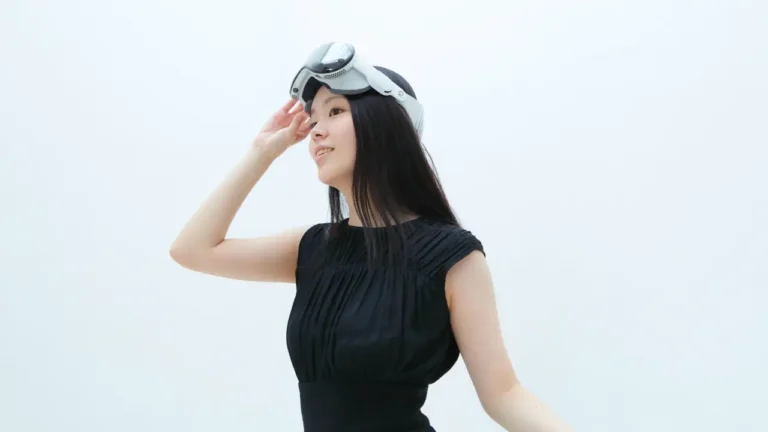
But as popular as the format maybe it’s built on some traditional techniques that are becoming a bit tired and are ripe for reinvention and improvement. Enter VR to infuse documentary production with new power.
By Erfan Saadati, Senior XR Producer at Happy Finish and co-creator of Child of Empire
Eye-opening experiences
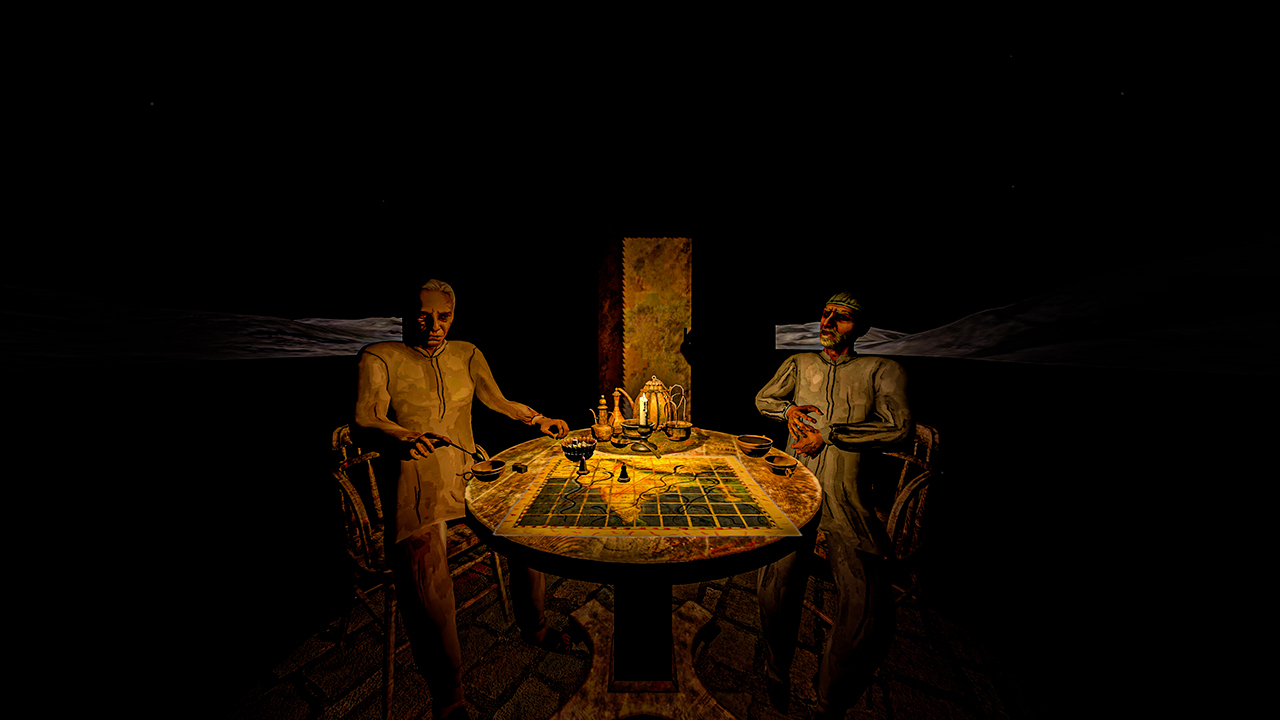
If you were in any doubt that necessity is the mother of invention, the pandemic has forced many of us to rapidly adapt our normal way of doing things – often with positive results. This was our experience when we conceived the idea for Child of Empire – a documentary about the lives of ordinary people caught up in the pandemonium of Partition, which marks its 75th anniversary this summer.
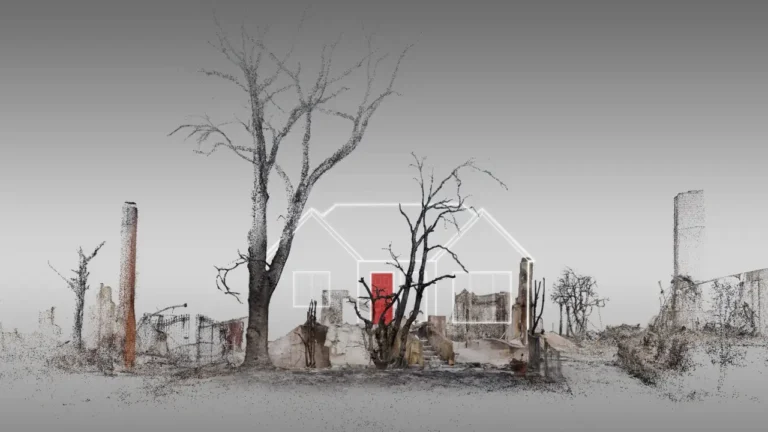
Our original vision was to film a traditional documentary-style story on location in India and Pakistan. Of course, Covid put paid to those plans – we turned instead to a powerful combination of emerging VR technology and the emotive attributes of animation. In harnessing new documentary techniques, creating CHILD OF EMPIRE became an eye-opening experience, one all those involved felt provided richer content than the original storyboard allowed.
None of this is to say that traditional documentaries will suddenly disappear. They have their place, for certain. But here are a few reasons why VR is becoming a film-making force to be reckoned with.
- Walk in other people’s shoes – many documentaries are interesting, but are they immersive? VR provides a truly unique experience for the viewer, allowing them to see, hear and even touch the environments the subjects live in as if they were there. With Child of Empire this meant the audience could interact with objects in the animation, see through the eyes of the narrators – two survivors of the era returning to their ancestral home – and hear the chaos of migrant camps during Partition.
- Educate through enhanced experiences – a 2D documentary would never be able to recreate locations and landscapes in the same way VR can. For example, using animation in our film allowed the viewer to ‘levitate’ over rivers and villages. Leveraging the technology to allow a greater expression of free will is a new way to build true empathy.
- Treat tricky subjects with sensitivity – documentaries often intentionally create impact with shocking scenes when dealing with difficult subject matter. VR allows creators to take a subtler approach to deliver their message. One of my favourite examples was our sensitive treatment of the death of the narrator’s siblings. Instead of starkly showing a body, her human form gently evaporated into Urdu script – but the emotional bearing was no weaker for it.
- Widen your audience beyond regular viewers – regardless of their interest in the topic, some people like documentaries while others won’t spend their precious time watching one. By creating a film through VR, you are automatically extending the audience to a new cohort of viewers – those who own the technology to see it. It’s simultaneous experience and education.
- Consider VR’s endless application – Child of Empire represented a unique use of VR in documentary-making. But the technology can be harnessed for a wide range of subjects and sectors. At Happy Finish we’ve had great success, for instance, with content we created for charities – including a film to promote understanding of autistic people’s experiences of retail, and how sufferers of dementia cope with a world slowly disappearing from consciousness.
The future of VR documentaries
To suggest VR is already all-powerful in this space would be untrue. We discovered a gap between our ideal production and the experience the technology could deliver to the viewer. I also believe it would be difficult at present to use it to produce more investigative documentaries, of the type where the crew must be present in a particular situation. For the time being, then, the quality of the end product is potentially stripped back from the ‘perfect vision’ of the production team. But I don’t expect this to be the case for very long.
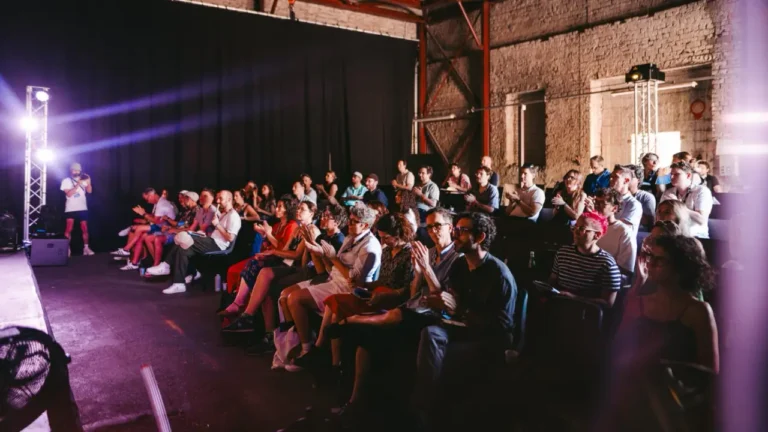
As VR gains momentum, becoming a bigger part of consumers’ everyday experience, technology will become more sophisticated and enjoy mass availability. Soon, you won’t just be able to watch a documentary at a music festival or museums. Thanks to VR, you’ll be able to play a part in it. Therefore, it’s no surprise that film film-making moguls from Asif Kapadia to Sir David Attenborough have begun experimenting with the medium.