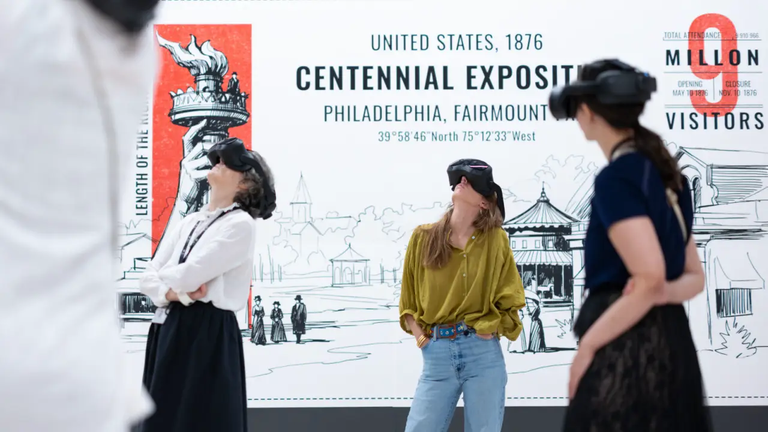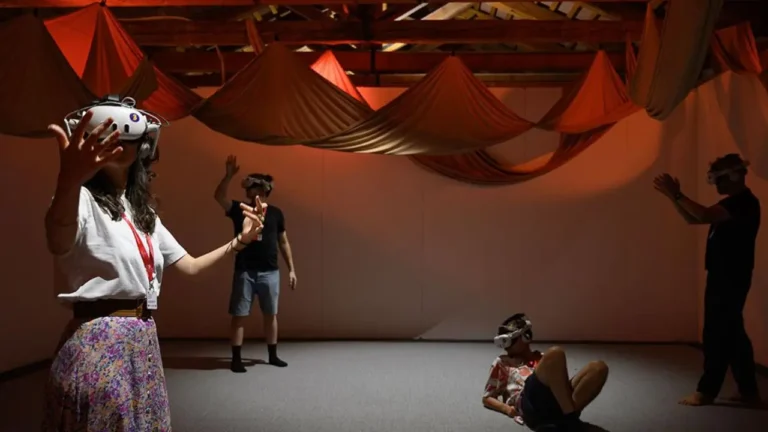
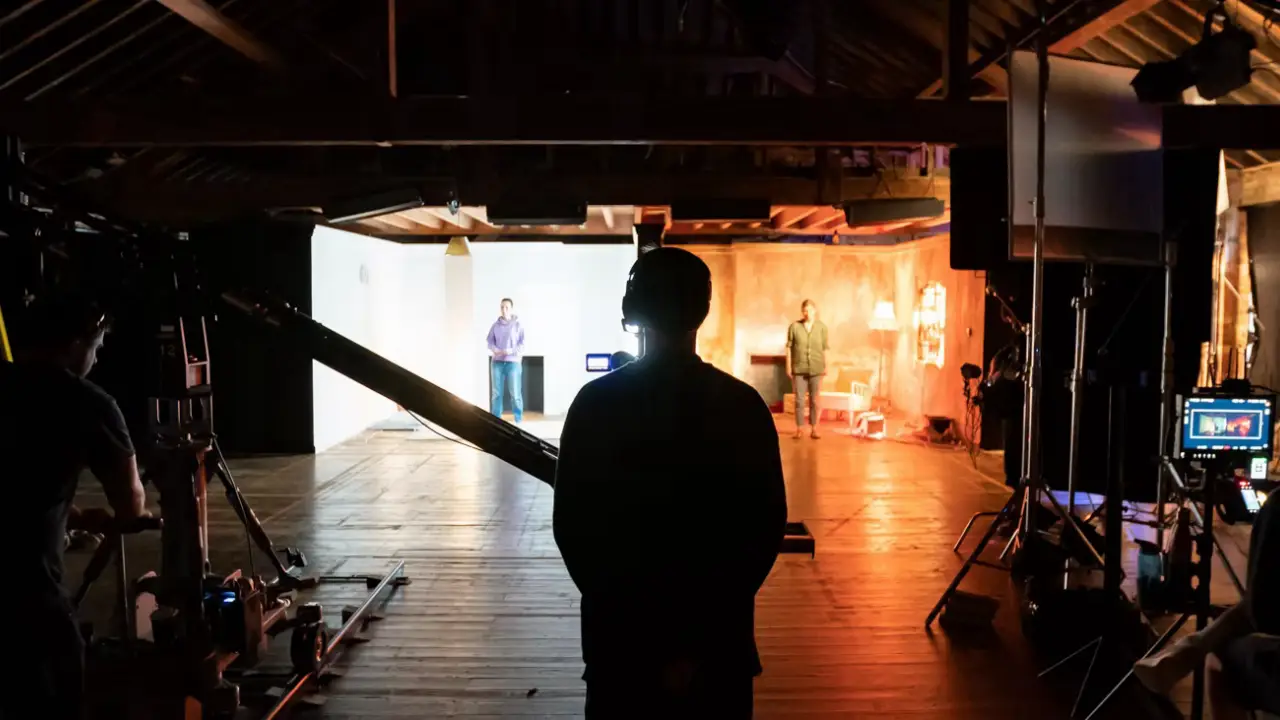
Immersive filmmaking is gradually finding its way back into the conversation. After several years in which much of the XR ecosystem focused on interactive experiences, games and large-scale installations, new cameras, headsets and spatial video formats are encouraging filmmakers and studios to look again at immersive cinema. For Jonathan Bereyziat, founder of Immersa, this renewed attention comes with a practical question: how can these films move beyond a premiere, a festival or a single device and continue reaching audiences?
Based between Lausanne and Warsaw, Jonathan Bereyziat comes from software engineering rather than filmmaking. His company’s move into XR began through an innovation project for Accor involving immersive video and Apple Vision Pro. Working with production studios introduced the team to the specific constraints of the format: demanding image quality, large files, different technical specifications across devices, and relatively few options for films once their initial exhibition cycle is over.
Cover: Grey Man backstage by Liminal Stage Productions, Robyn Winfield-Smith
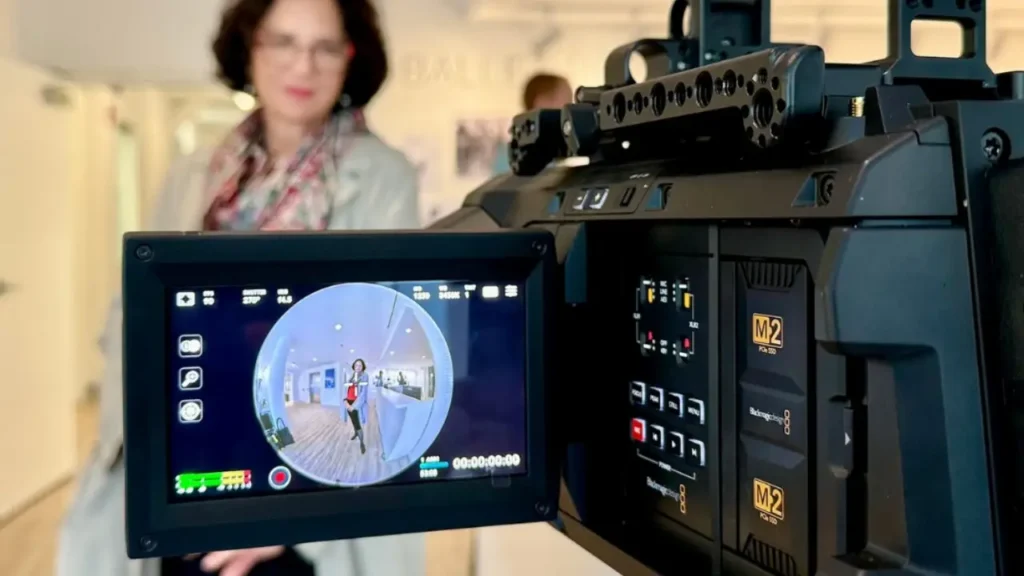
This experience progressively led to Immersa, initially developed as an internal tool and now available as a platform where studios can publish, distribute and monetize immersive content. The company does not produce films itself, but works with studios and creators looking for ways to extend their circulation.
At the centre of this approach is an issue that has accompanied XR for years: continuity. A traditional film can move from a theatrical release to multiple screens and distribution channels. Immersive works are still often closely associated with a particular headset, application or exhibition context. For Immersa, improving circulation therefore means working on the technical layer that can make the same content accessible across different devices.
Building a longer life for immersive films
Immersa currently concentrates much of its development on Apple environments, while also working towards distribution on PICO and Meta devices. The challenge is not simply to make a file playable everywhere. Different resolutions, frame rates, colour spaces and hardware capabilities have to be taken into account while preserving as much as possible of the original image quality.
This infrastructure work arrives as immersive video receives renewed attention from hardware manufacturers. Apple Immersive Video has brought high-end stereoscopic filmmaking back into the discussion, while developments from Meta, PICO and the Android XR ecosystem are creating additional possibilities for distribution. Better cameras and displays are part of the equation, but they do not solve the question of what happens to a film after it has been produced.
Immersa is positioning itself on that missing link. Jonathan Bereyziat compares the situation with cinema: an IMAX screening may represent an optimal viewing experience, but that does not prevent the same film from later being watched on a television or a phone. Immersive filmmaking does not yet benefit from such a fluid distribution chain. Each new platform can require technical adaptations and its own release strategy.
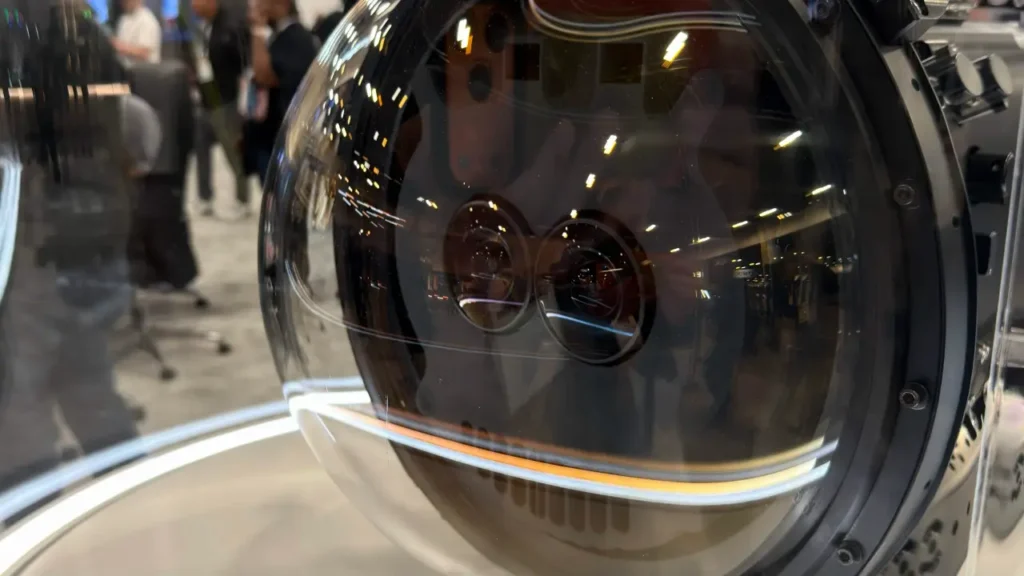
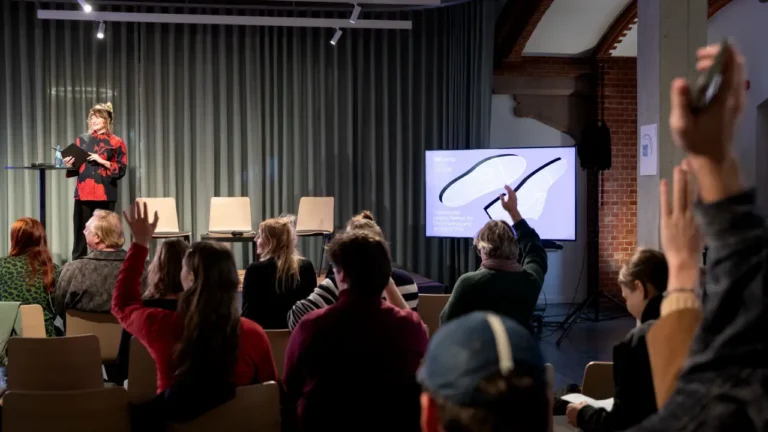
On November 5, Immersa will take these questions beyond software with the first Immersive Warsaw, hosted at Kinoteka, inside Warsaw’s Palace of Culture and Science. The company is not presenting the gathering as a film festival or a developer conference. Instead, the invitation-only afternoon has been designed as a professional introduction to immersive filmmaking, bringing together people already working in the field and others encountering it for the first time.
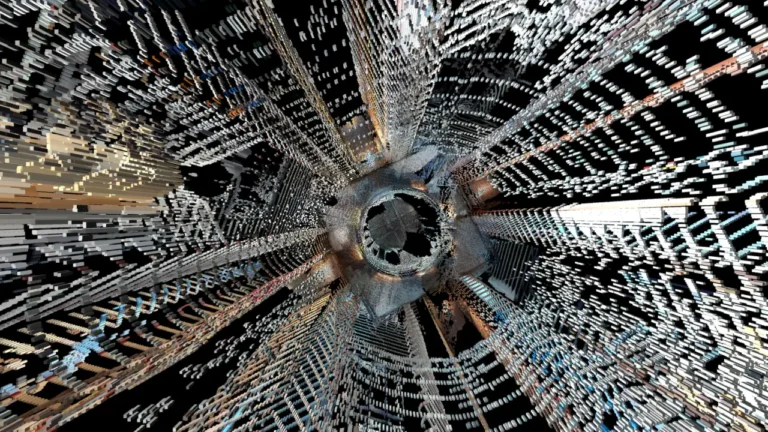
The programme follows the different stages involved in making an immersive film. Lighting, shooting techniques, sound, presence, 360-degree production, Gaussian splats, Apple Immersive Video and distribution will all be discussed on stage. Screenings on Apple Vision Pro and demonstrations around Blackmagic’s immersive camera workflow will provide a more practical counterpart to the conversations.
The choice of Kinoteka is significant. Rather than placing immersive production inside a technology venue, Immersa is bringing it into a space associated with traditional cinema. The intention is to discuss the medium through familiar production questions: how do you shoot it, how do you light it, how do you create presence, and where can the finished work circulate?
Speakers:
- Sam Baumel — Creative producer, immersive filmmaker, co-founder of Primary: News in Depth et enseignant à NYU Tisch.
- Andrii Shramko — Inventor & spatial-video engineer, spécialisé dans les systèmes de captation sur mesure et le 3D/4D Gaussian Splatting.
- Dane Christensen — Documentary & immersive filmmaker, Dansker Digital Studio.
- Roz McNulty — Immersive filmmaker, Apple Vision Pro developer, fondatrice et Creative Director du Fashion Innovation Centre.
- Miłosz Hermanowicz — Film editor, immersive director & immersive imaging specialist, ancien stereographer au Visual Narration Laboratory de la Łódź Film School.
- Marcin Magiera — Cinematographer spécialisé en cinematic VR et immersive storytelling, notamment WARSAW RISING VR et KOLBE VR.
- Matt Fisher — CEO de Spatial Sense LLC, développeur Vision Pro et créateur d’URSee, outil de monitoring pour la Blackmagic URSA Cine Immersive.
- Robyn Winfield-Smith — Stage, screen & immersive director, Artistic Director de Liminal et Associate Learning Practitioner au Royal Shakespeare Company.
- Ruben Åeng — Lead Audio Engineer & Head of Content at Nomono, specializing in spatial and immersive audio.
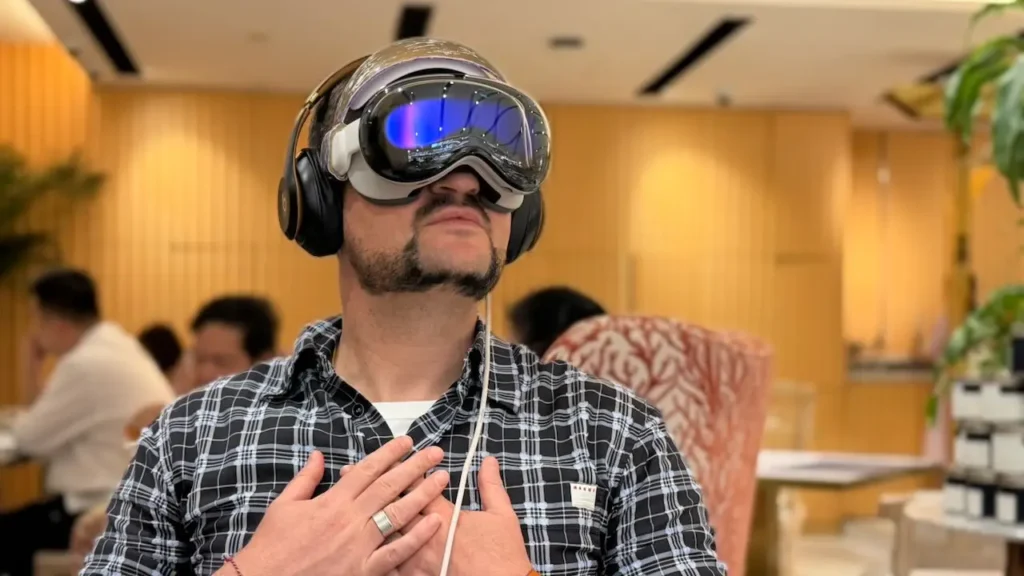
Reconnecting immersive creation with Poland’s film industry
This approach also reflects what Jonathan Bereyziat is beginning to observe in Poland. The country does not yet have a clearly structured immersive film sector, but connections are starting to emerge between XR practitioners and professionals from the broader cinema community.
For Immersive Warsaw, Immersa is therefore looking beyond its immediate network of immersive studios and technologists. Filmmakers, screenwriters, production companies and professional organisations are among the communities invited to discover the format. Some have little previous experience with XR, but are showing interest in understanding what immersive filmmaking involves and where it could fit within their existing practices.
The distinction matters. Immersive Warsaw is not intended to demonstrate that immersive cinema should become an industry separate from film. It is closer to an attempt to reopen a dialogue between the two. Many of the questions raised by immersive production — directing actors, framing attention, lighting a scene, recording sound or organising a shoot — are already familiar to film professionals, even if the tools and spatial grammar are different.
There are other signs of activity in Poland this autumn, with several events addressing immersive and digital creation. It would be premature to describe this as a consolidated national momentum, but the multiplication of initiatives creates more opportunities for previously separate communities to meet. Warsaw, in particular, can become a useful point of connection between a strong audiovisual culture and emerging immersive practices.
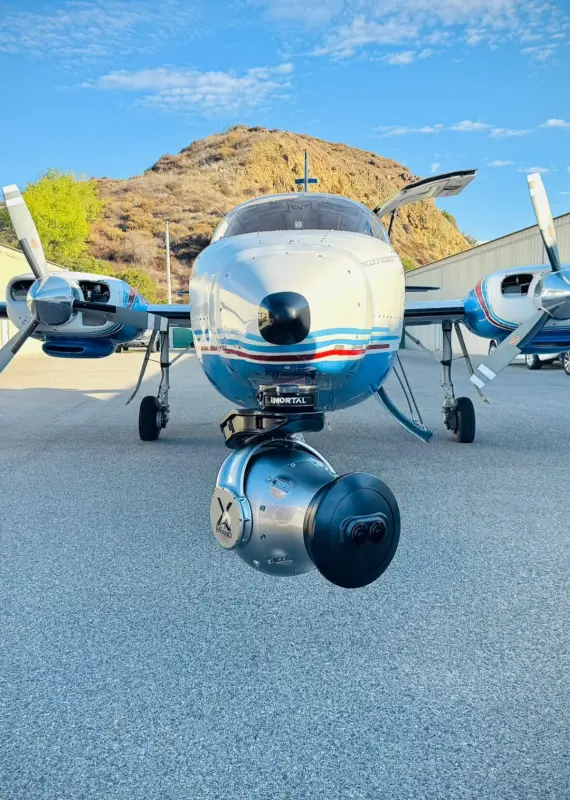
For Immersa, the Warsaw event is a natural extension of its work in immersive media. As a platform focused on the distribution of immersive content, Immersa is working to make it easier for creators to bring their work to audiences. The event builds on that mission from another angle – creating a space where filmmakers, producers, technology experts and audiences can connect, exchange ideas and explore what is needed to move immersive cinema forward.
The first edition of Immersive Warsaw brings these different perspectives together around filmmaking, technology and the future of immersive storytelling. With Warsaw being one of Immersa’s home bases, the event also provides an opportunity to build a stronger local community around immersive media while connecting it with the wider international industry.
For now, Immersive Warsaw has a more focused objective: bringing immersive filmmaking in front of professionals who may not yet identify with XR and giving them enough practical context to understand how the medium is produced and circulated. At a moment when immersive video is returning to the agendas of hardware companies and studios, reconnecting it with the wider film community may be just as important as the technology itself.