He is one of the voices of the new immersive creation in Europe. Based in England, Tom Ffiske writes a newsletter twice a week (Wednesdays and Sundays) dedicated to XR news. Also a consultant and marketing specialist, he accompanies various artistic events in England, working on their visibility to a specialized or general audience.
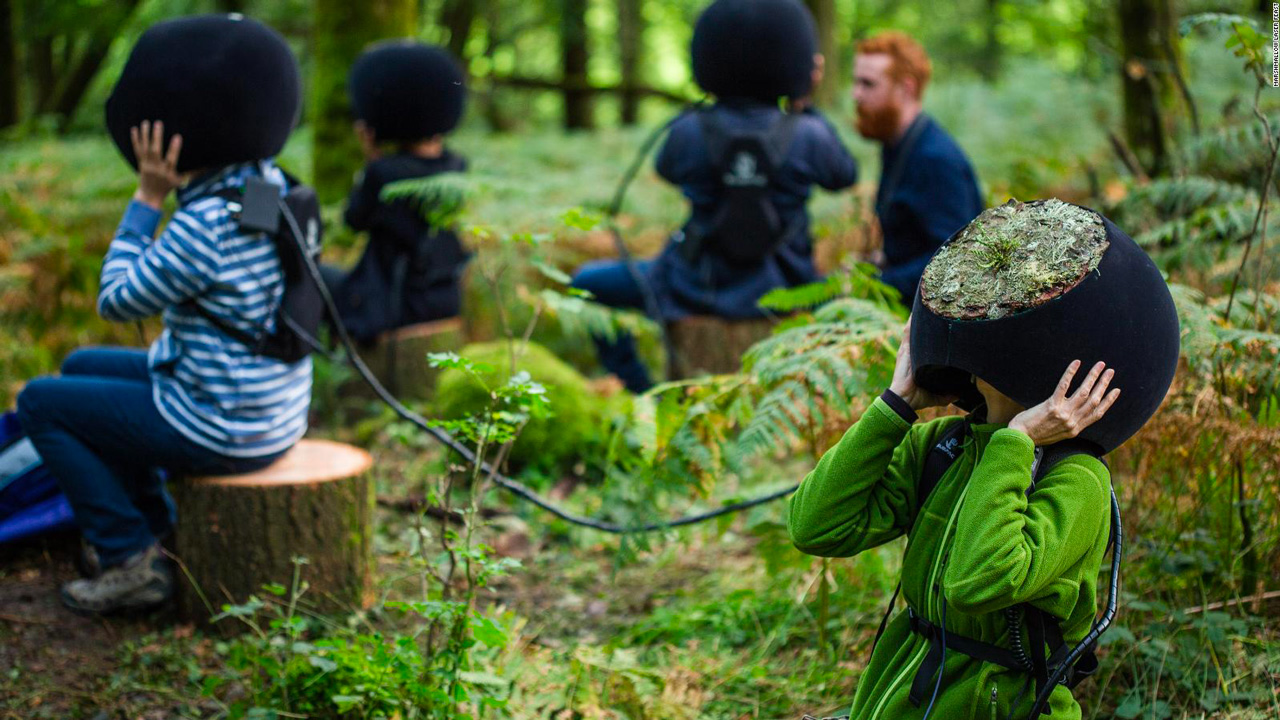
Cover: IN THE EYES OF THE ANIMAL by Marshmallow Laser Feast
Virtual Perceptions – Following the XR trend
Tom Ffiske – I started Virtual Perceptions as a blog in 2015 after a meet-up in London, essentially to follow the immersive industry’s activity – as a special interest. It’s crazy to imagine it has been almost 7 years! My main career is still in public relations, working for companies or events in the UK, such as the London Film Festival (LFF Expanded), Virtual Umbrella etc. I’m very fully self aware that I’m not a filmmaker or in the creative part of the industry. I’ve been trained on how to market. What I do is to help people when it comes to the marketing side, because that’s the area I’ve worked in throughout my career.
T. F. – Editing 2 newsletters per week is hard work. Especially since it’s still a hobby outside of work hours. But I do enjoy it! As for future development, simplification is the key. So you might see the website itself evolve. I’m trying to market to people outside of our XR bubble – it’s a lovely bubble, don’t get me wrong! I love the fact my work can be useful for networking purposes inside of the XR field. But I want the newsletters to reach people outside of it – even twice a week.
XR x UK
T. F. – High activity wise, I’ve seen a lot of push in training solutions. There’s still a lot of money in the area, a lot of companies operating there – and it’s the same for collaborative XR tools, platforms. AR agencies are doing quite well, using social media (filters..) and marketing to go forward. The reason a lot of people are interested in XR is because it’s a tool. It’s an engaging experience that can get customers interested, involved. Same goes for the art industry.
T. F. – XR is here to stay. With a lot of support of course, we have many creative and passionate people interested in that field. My main concern is about the current funding we have, which is mainly public. What if someone decides to pull the finances for any reason? The art sector is fragile. It’s not yet a self-sustaining industry where people can create the projects without necessarily needing lots and lots of outside funding. We are lucky to get a lot of funding in the UK for XR art and exhibitions.
Interesting media to the XR field
T. F. – The fact is XR is still a small community. The number of journalists is linked to the general interest in the area.That’s the nature of it, pure market size. We will benefit from the investment of big companies, or some popular IP content – and that’s when you get people outside the industry to come in and report on their outlets. Today they find not a lot to write about it, which is fine – that’s just the nature of the growth of our industry. As for VR festivals, you do hope some journalists will get interested, but more for the art itself rather than the medium. And sometimes, some really cool things happen, and you get some reviews. But it’s quite early for general interest. XR artists are more likely to appear in the art press, rather than tech magazines. Again, it’s the nature of our industry to go forward, step by step.
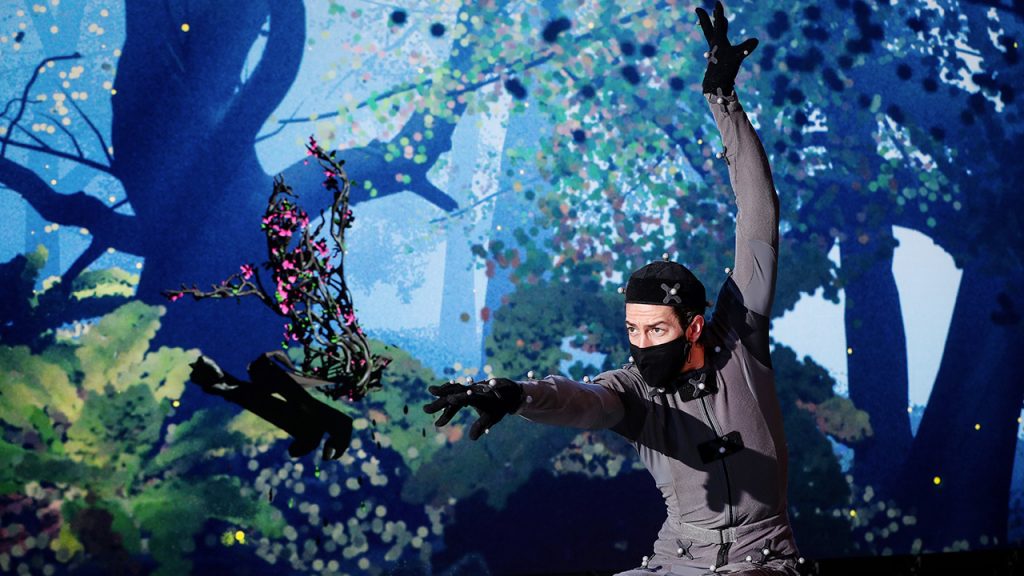
T. F. – I discussed the current state of XR with some teams behind Tribeca Immersive 2021’s projects, such as MADRID NOIR and INSIDE GOLIATH. We need to hear about actual XR filmmakers how they try to engage their audience, to use these new technologies for immersive contents. I think VR has a great potential as a storytelling medium because it can engage us in different realities – pure fiction or mental issues topics as well. In any art form, across all technologies, everything is all about to play the right message. VR does it more directly.