
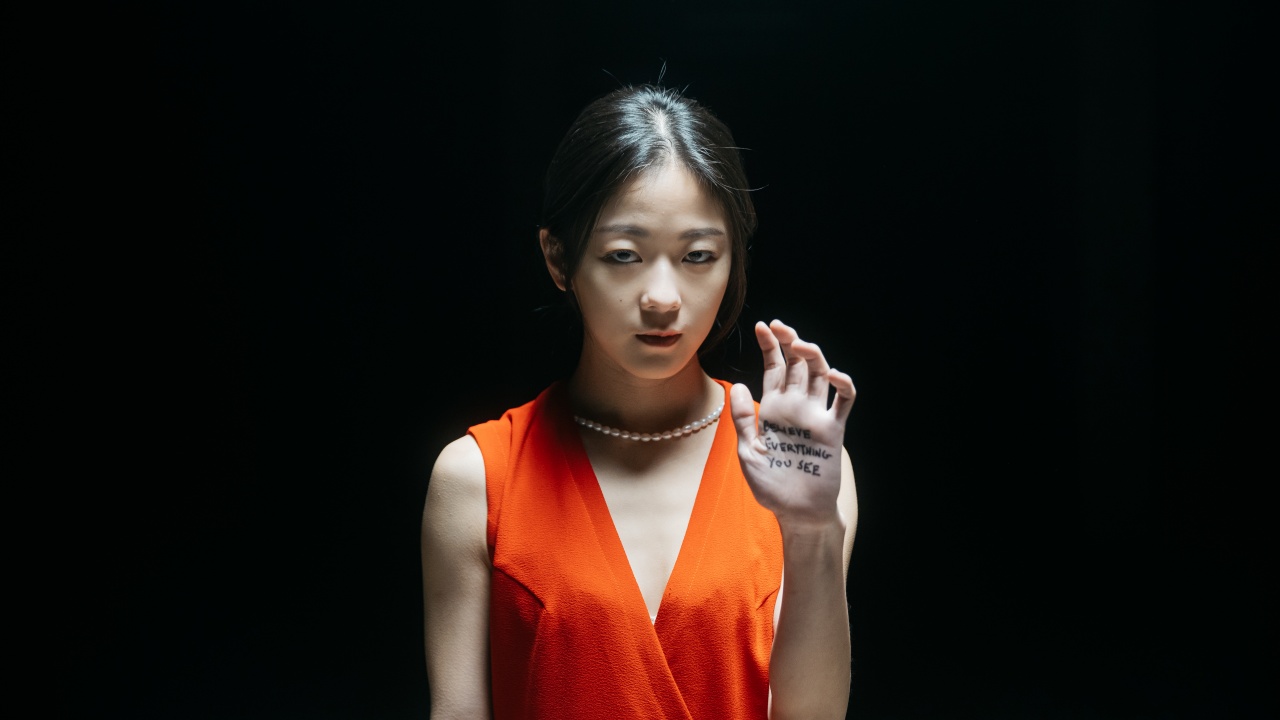
A first 360 film, ALL THAT REMAINS marked the Venice Immersive selection by its singularity. As if the influence of modern and experimental theatre managed to melt into a perfectly immersive staging device. Meeting with its director, Craig Quintero.
The Riverbed Theatre Company, an immersive company
I started Riverbed Theatre in Taipei in 1998 (link) with a group of collaborators from the visual and performing arts. Over the past 24-years, we have staged a wide variety of productions, from site-specific performances and museum installations to large-scale productions in 1500-seat theatres. Unlike many traditional theatre performances, our work is “image-based,” presenting the audience with a series of slowly evolving moments. It’s as if the audience were encountering a living painting or a human sculpture. Our performances are not “about something;” they are surreal encounters, providing the audience with a poetic space in which they can reflect on and see themselves.
Performing for an Audience of One
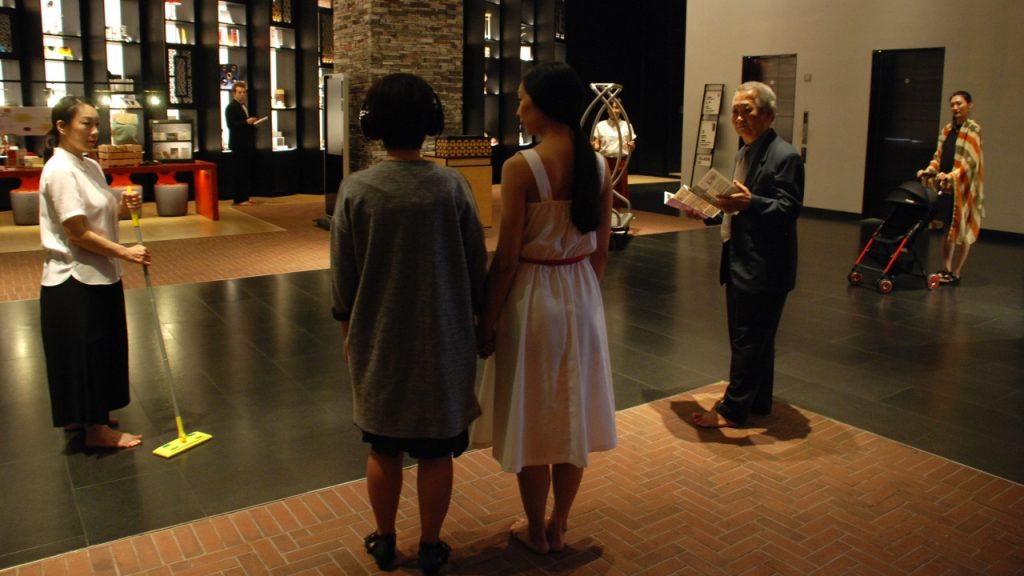
C. Q. – As our company became more successful and the scale of our work increased, we began to feel disconnected with our audiences, so in 2011, we started our “Just for You” performance series in which we staged elaborate performances for one audience member at a time. We staged the first performance in our series, Amnesia, at a hotel in Taipei, guiding the audience member from the hotel lobby to a second-floor room. We mounted the 45-minute performance 7 times a day for 4 days. The 28 audience members who experienced the work were moved by the intimacy and directness of the experience. The audience could not hide in the darkness of a theatre auditorium; they were directly engaged in the multi-sensory encounter. They were simultaneously seeing and being seen. And for the actors, it was an equally intense experience. The performers needed to immerse themselves in the truthfulness of their actions, to open their hearts.
Transition to VR
C. Q. – Our production of Amnesia was more successful than we ever imagined and led to commissions at venues and events including the Taipei Fine Arts Museum, Taiwan National Museum of Art, Eslite Gallery, The Place Hotel, and Tainan Arts Festival. For the projects, we built elaborate maze-like installations, creating spaces in which the audience could “lose themselves.” We kept the ticket prices low in order to open the experiences to everyone (tickets were sold online on a first-come first serve basis and sold out in minutes). The performances were wildly successful, but it was not financially sustainable to build these large installations and work with casts of 7-10 actors for such a limited number of people. We shifted to VR in order to explore the possibility of creating these moments of engagement through this digitally mediated platform.
Challenges and Benefits from Transitioning to VR
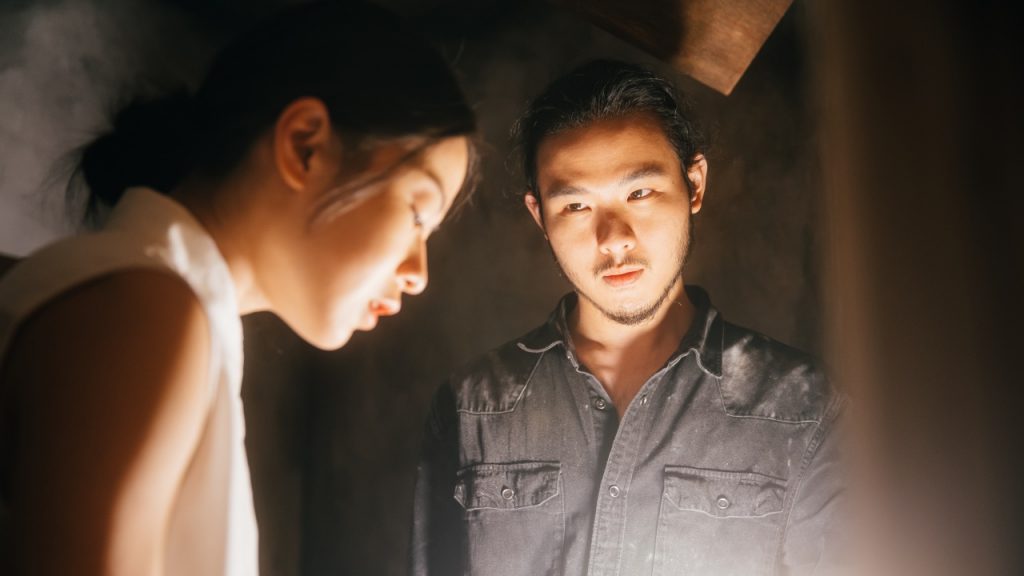
C. Q. – In shifting from live-performances to VR, we lost the immediacy of the sensory experiences: the touch of the actor’s hand, a sip of wine, the lingering scent of incense. In experimenting with 360-VR, we also lost the ability to have the audience move through our space. Instead of the audience moving through our world, we had to move the world around them. We also quickly learned about the “blind spots” between the lenses and had to rethink the blocking in order to reduce post-production work.
C. Q. – On the other hand, we also were delighted by the intensity of the VR world, the intense proximity of the encounters. The audience is literally inside our work, with the headphones almost bypassing the audiences’ eyes and ears and directly channeling the experience into their brain. Even though the audience was not facing a real performer, the intensity and proximity of their presence was almost overwhelming. I showed the film to a family member, and she literally backed up 6 feet as she tried to retreat from the intensity of the performer’s gaze. It wasn’t “reality”, but something real was happening.
Letting “Something Happen”
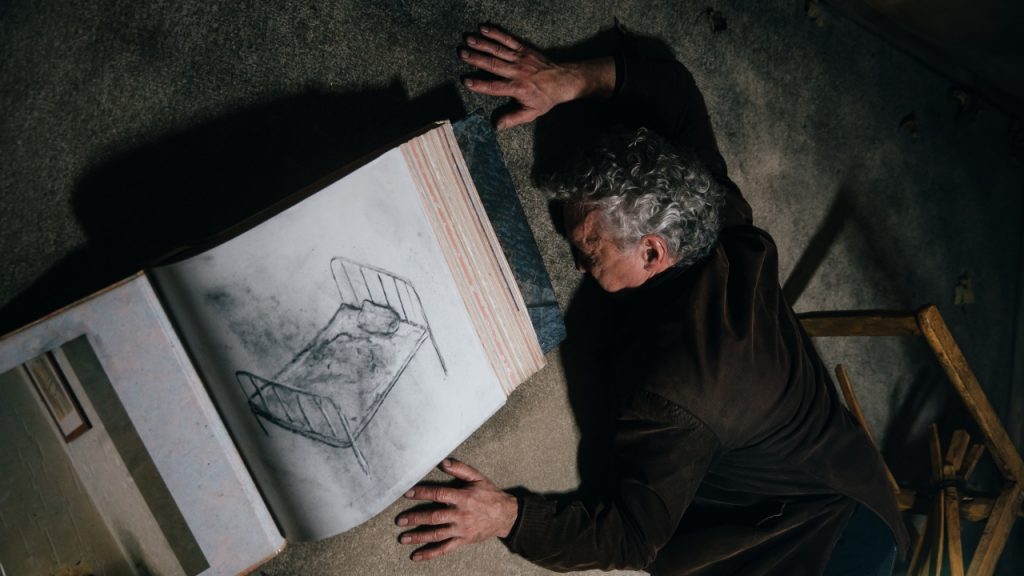
C. Q. – Oftentimes, we get so caught up in the uniqueness of a medium that we forgot to find the heart of the form. In All That Remains, we are trying to create an experience in which the audience can escape from the constraints of the everyday and inhabit a world of surreal possibilities.
C. Q. – After watching All That Remains, a number of viewers in tears as they removed the Oculus headset. Or their eyes seemed distant, as if they had fallen into themselves and had not yet fully returned. And what is remarkable is that they were not crying for a fictional character; they were crying for themselves. Something happened inside them. Over the course of the twelve-minute film, they had been transported, taken somewhere beyond the limits of the everyday.
[…] OVER THE RAINBOW by Craig Quintero (See our interview) […]