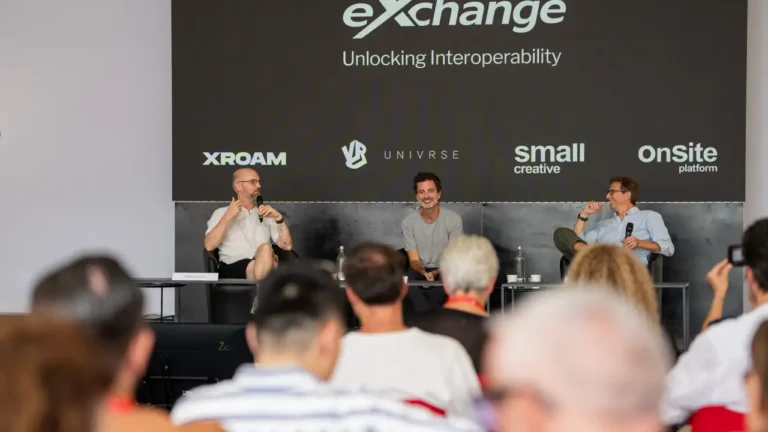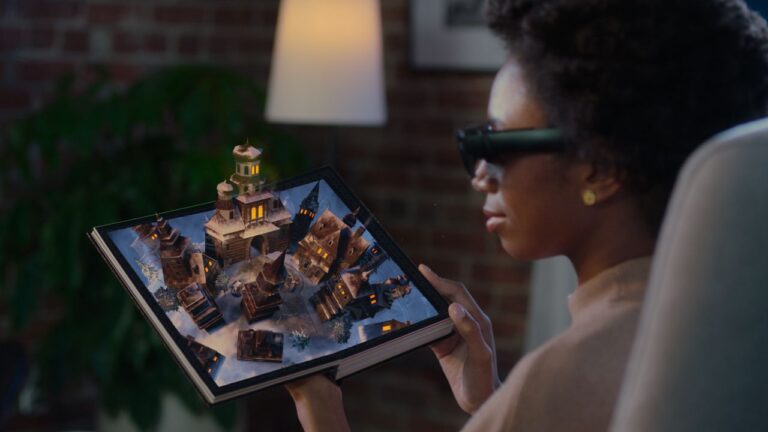
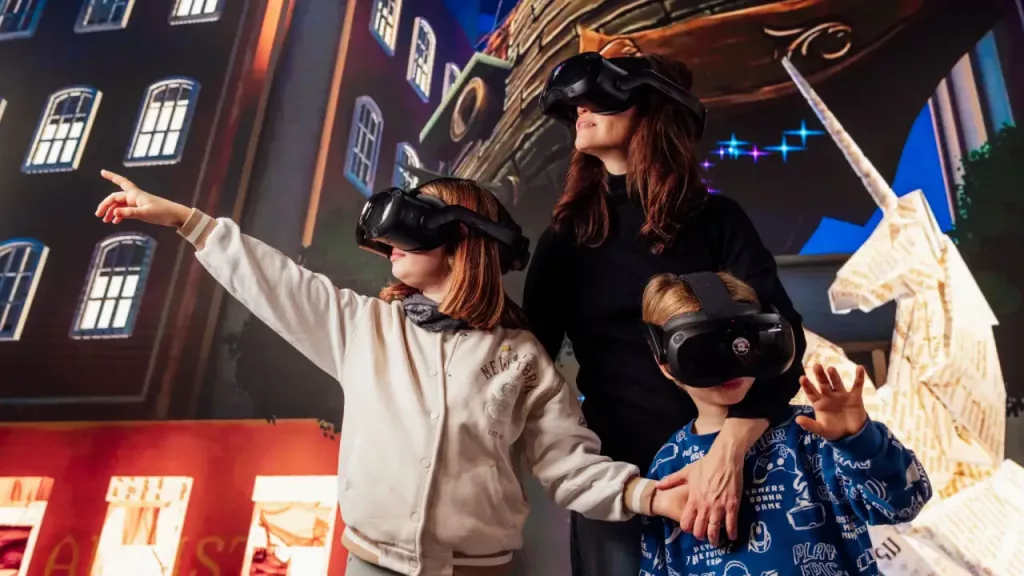
For professionals working across location-based entertainment, Dallas might be worth adding to the October calendar. Taking place on October 5 and 6, LEXRA Summit 2026 will bring together venue operators, content studios and technology providers for two days focused on an increasingly urgent question: how can the current momentum around immersive entertainment translate into sustainable businesses?
The event deliberately puts operations at the centre of the conversation. Customer acquisition, profitability, programming, interoperability and venue utilisation are all part of the agenda, with a first day dedicated to discussions and a second built around demonstrations, private meetings and networking.
Cover: Univrse
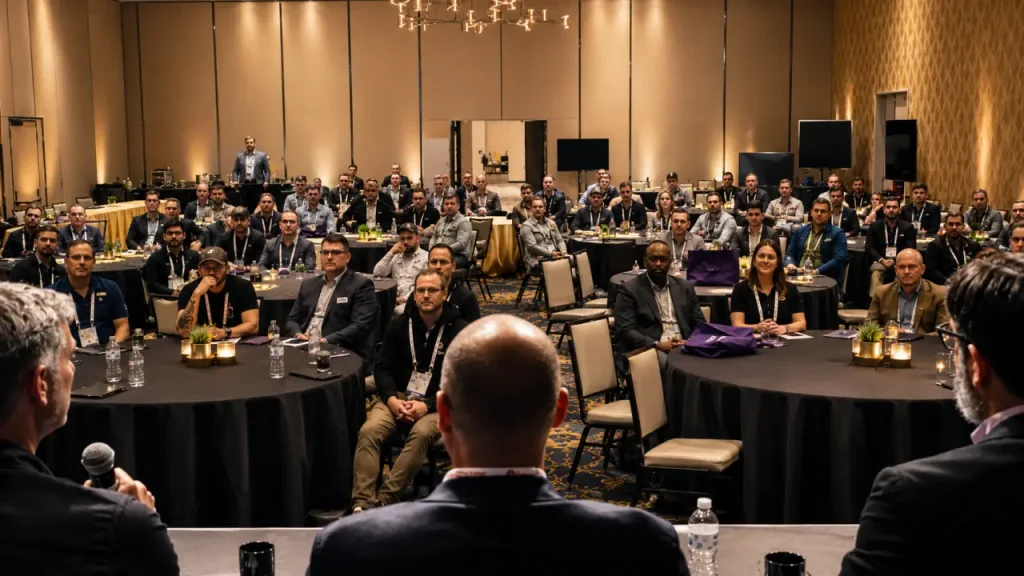
Behind the Summit is LBE veteran Bob Cooney, who has spent decades observing successive waves of interactive entertainment. His assessment of the current moment is cautious but constructive. Venues are opening, content is diversifying and different parts of the ecosystem — from gaming and free-roaming VR to cultural and educational experiences — are beginning to converge. But the industry still needs to understand how to make these spaces work every day.
This makes the LEXRA Summit particularly interesting: not simply as another immersive gathering, but as a place to confront some of the practical questions that could define the next stage of LBE.
From immersive experiences to sustainable venues
“The challenge that everybody is having,” Cooney tells XRMust, essentially comes down to two related questions: what does it cost to acquire a customer, and is the venue sufficiently profitable?
For an industry that has spent years discussing hardware, formats and creative possibilities, the shift is significant. Creating a compelling immersive experience is only part of the equation. Operators also need to convince people to travel to a venue, understand an unfamiliar proposition and buy a ticket.
The challenge becomes even more visible when considering how spaces are used throughout the week. A venue may perform well during evenings and weekends while remaining largely empty on a Tuesday afternoon. Yet rent, equipment and staff remain.
This is encouraging operators to think differently about programming. Gaming and social entertainment can attract groups during evenings; corporate events provide another market; educational content can bring school groups during weekdays; cultural experiences may reach audiences beyond the traditional VR arcade customer.
For Cooney, these different “dayparts” could encourage venues to think in terms of a slate rather than a single attraction. Cultural XR, education, gaming and mainstream entertainment have often developed through separate networks, but they may increasingly share the same infrastructure.
The venue then becomes a programmable space.
This is still something to test rather than an established model. As Cooney points out, concepts that appear convincing on paper can become considerably harder once ticketing, staffing, marketing and local audiences enter the equation. The sector now needs more experiments — and more data from them.
Interoperability is becoming a business question
Broader programming also creates a technical problem. The LBE ecosystem remains fragmented between headsets, tracking systems, software platforms and proprietary environments. An operator wanting to combine several types of content may discover that each requires a different infrastructure.
For Cooney, this fragmentation increasingly conflicts with the economics of operating a venue.
“If the economics at the single location don’t work, we go nowhere,” he says.
A sustainable location ultimately needs to generate a measurable return on investment, not simply cover its costs. That makes interoperability much more than a technical debate. Operators need enough flexibility to rotate experiences, refresh their offer and address different audiences without rebuilding their infrastructure each time.
This also changes the discussion around distribution. Immersive creators regularly identify distribution as one of the sector’s main bottlenecks. Cooney approaches the issue from another direction: “You can distribute to what?”
Before a mature distribution layer can develop, he argues, the sector needs a sufficiently large network of viable venues regularly looking for content. From a creator’s perspective, reaching locations remains difficult, but structurally the challenge may begin with building stronger exhibition infrastructure.
Marketing is the other part of the equation. LBE still places much of the responsibility for selling tickets directly on venue operators. Understanding customer acquisition — how audiences discover an experience, why they buy it and how much that conversion costs — therefore becomes essential when considering expansion beyond a first successful location.
These questions are closely connected, which is precisely why the Summit wants operators, creators and technology providers around the same table.
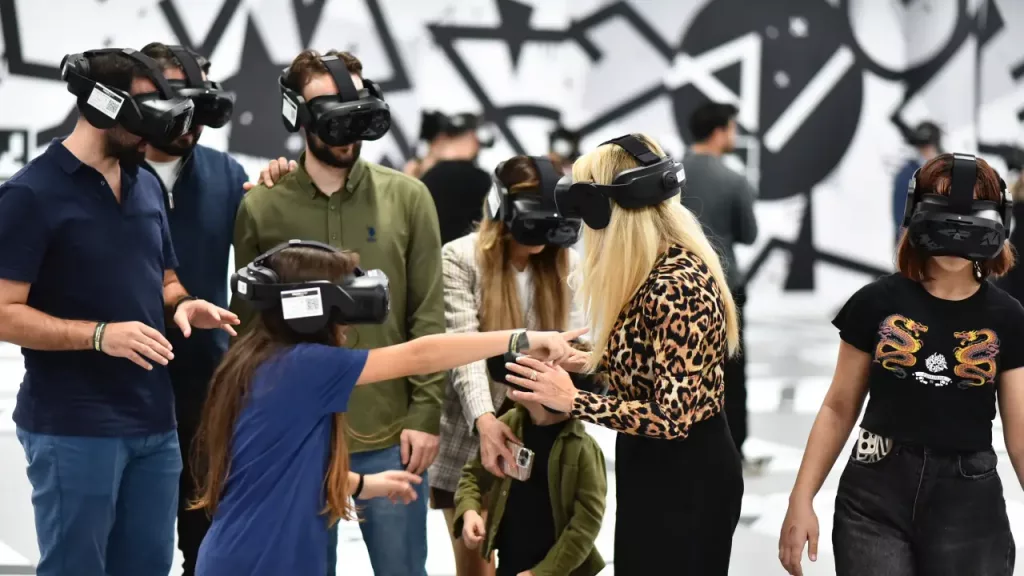
Two days to put the LBE ecosystem in the same room
The structure of LEXRA Summit 2026 reflects this ambition.
The first day focuses on the business of operating location-based entertainment, with discussions around profitability, customer acquisition, content economics, repeat audiences and venue utilisation.
The second changes rhythm, with demonstrations, networking and private meetings. Cooney says the format responds to feedback from previous events: participants wanted more time to actually meet, experience projects and continue conversations rather than spend two full days listening to panels.
The content presented also reflects the widening definition of LBE. Free-roaming entertainment, mixed reality, VR escape rooms, family attractions and cultural or educational experiences will coexist, with projects including THE LITTLE PRINCE, THE BLU, EVEREST: THE FIRST ASCENT, TITANIC: THE SUNKEN DREAM and BODYVERSE.
That diversity may be one of the Summit’s most relevant propositions. An operator trying to fill a venue throughout the week may ultimately be less interested in traditional boundaries between culture, education and entertainment than in whether different experiences can attract complementary audiences and make better use of the same infrastructure.
The Summit does not arrive with a ready-made solution. Cooney describes the first objective as getting the right people into the same room, identifying recurring problems and determining which conversations should continue over the following twelve months.
The LBE sector already has technologies, increasingly experienced operators and a growing catalogue of content. What remains less certain are the models connecting them sustainably.
On October 5 and 6, LEXRA Summit 2026 intends to make those models the conversation — and Dallas a meeting point for the people currently trying to build them.