In the cultural and creative industries, we regularly talk about artists, producers, venues, festivals and funding mechanisms. Far less attention is paid to the media that accompany these ecosystems. Yet without them, it becomes much harder to document works, share practices, foster debate or simply give visibility to a sector that is still taking shape.
This question lies at the heart of HACNUMedia’s approach. Launched within the HACNUM network in 2022, the publication has never seen itself as a simple information outlet. Its ambition goes further: “to contribute to structuring the digital creation sector by providing analysis, insights and spaces for reflection.” An approach that raises a broader question about the role of specialised media within cultural policies.
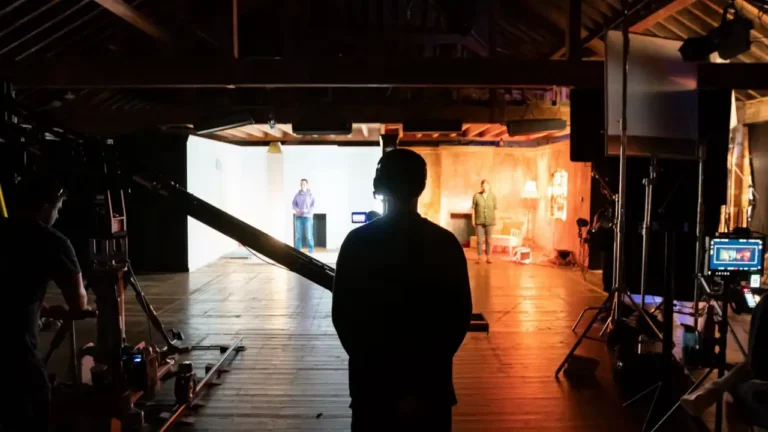
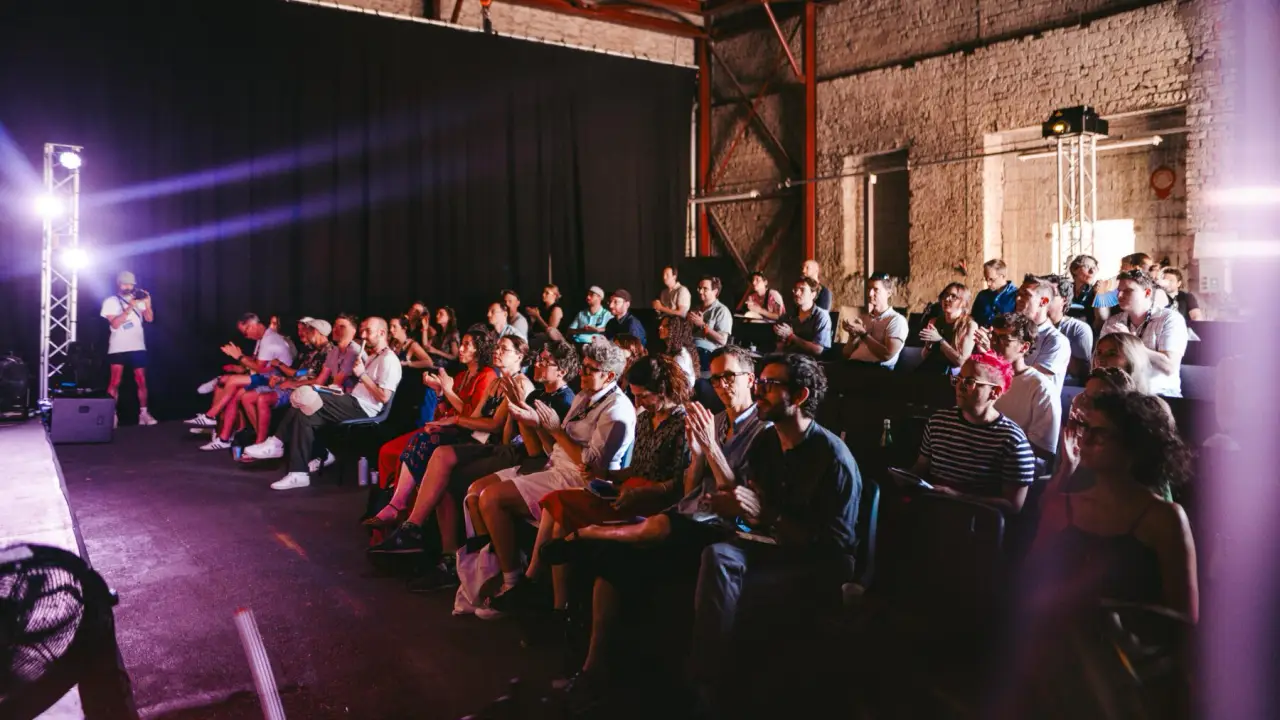
Cover: Metz Constellations Meetings 2026, hosted by Céline Berthoumieux & Adrien Cornelissen for HACNUMedia
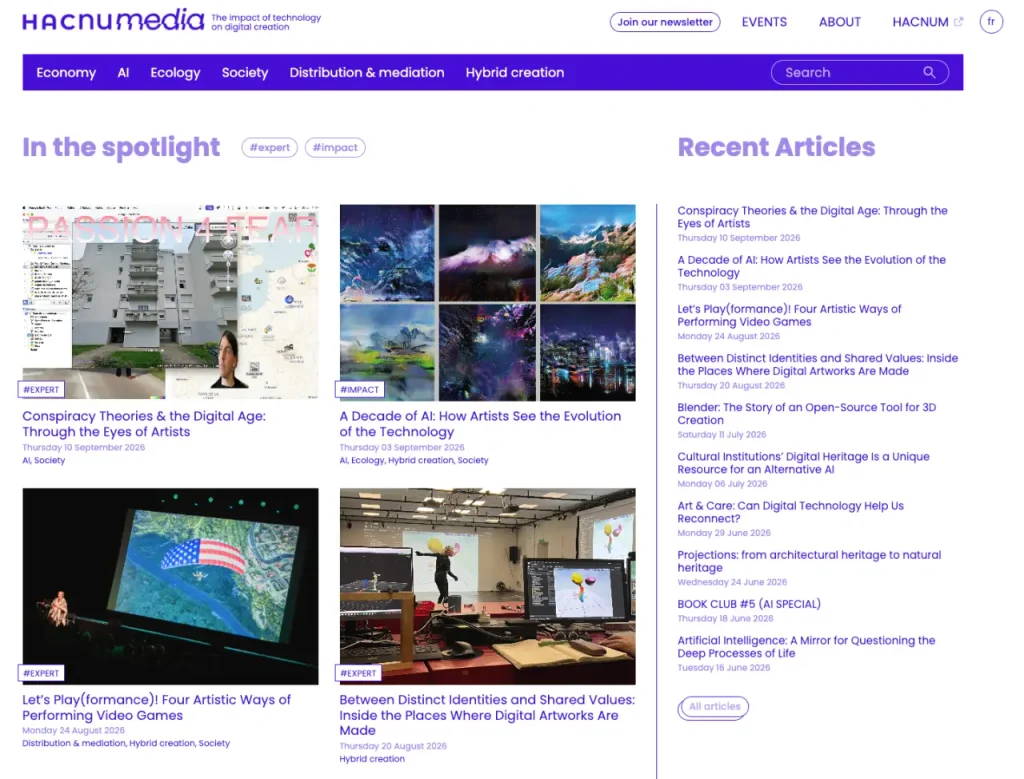
HACNUMedia: building a space for debate
HACNUMedia originated from a desire to give an editorial dimension to the resources produced by the network. The idea gradually became clear: producing studies, organising events or supporting professionals was not enough if this material did not have an editorial platform capable of putting it into perspective.
This distinction is essential. While communication serves an organisation, journalism questions, connects experiences, confronts different viewpoints and contributes to public debate. For the HACNUMedia team, the publication therefore provides a space where the challenges facing digital creation can be discussed well beyond the immediate news cycle.
This philosophy is reflected in its editorial approach. While some media focus on the day-to-day coverage of works or events, HACNUMedia primarily examines deeper transformations: “the evolution of artistic practices, technological changes, funding issues, and the impact of new digital uses on creation are among the topics explored by the publication.” The aim is not to chase the news, but to provide lasting tools for understanding these shifts — as illustrated by its expert features, published every week.
A media outlet helping to structure a sector
Over the years, the publication has become a space where network members can compare their analyses, share experiences and develop common positions before bringing them into the public sphere. The professional gatherings organised under its banner have also evolved: rather than simply being part of the network’s internal activities, they are increasingly becoming genuine editorial events open to professionals across the sector.
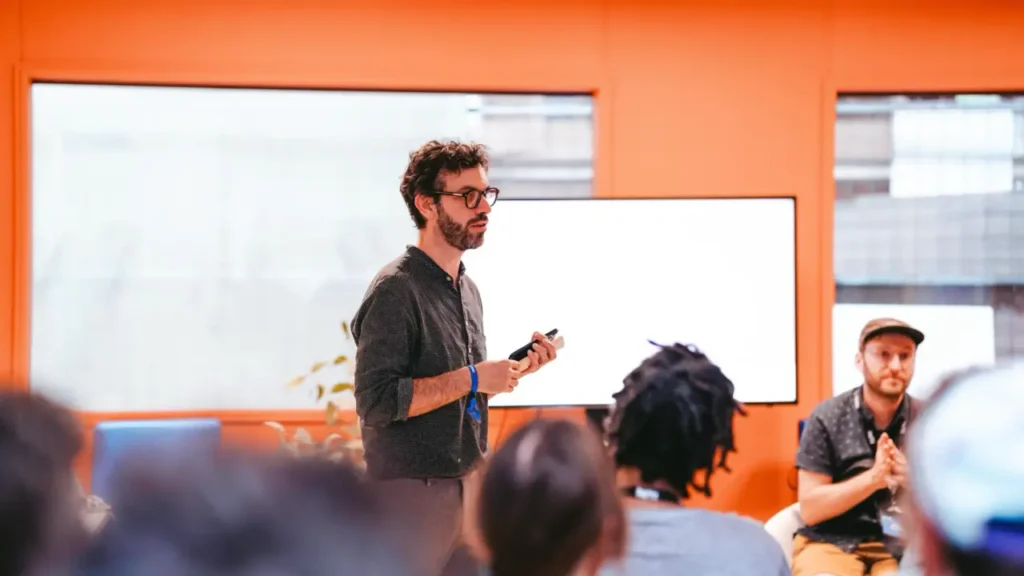
This approach has several effects. First, it gives greater visibility to the artists, producers and venues that make up the digital creation ecosystem. It also encourages greater mutual understanding “between professions that regularly interact without always knowing each other well: creators, researchers, local authorities, institutions, programmers and companies,” comments Adrien Cornelissen. Finally, it creates an editorial framework in which sometimes complex issues can be addressed and discussed collectively.
The publication therefore becomes a tool for connecting people as much as a space for publishing.
A role still largely overlooked by cultural policies
This conversation also highlights a paradox.
While the structuring of the digital creation sector now involves a growing number of public stakeholders, specialised media are still rarely identified as essential links in this value chain. Support mechanisms provide funding for works, festivals, venues and professional networks, but much less frequently for the organisations responsible for documenting and analysing how these ecosystems evolve.
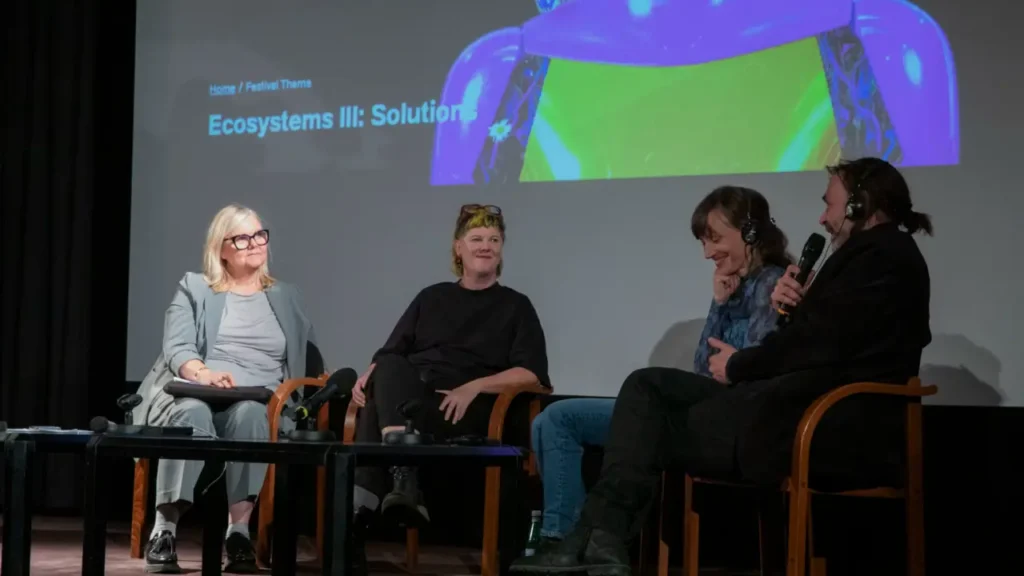
For Adrien Cornelissen, “a sector is not built solely through the funding it receives. It is also built through the narratives it produces about itself, the memory it creates, and the ability of its stakeholders to share their experiences.”
This question extends far beyond immersive creation alone. In France, the space devoted to digital arts within the cultural press remains limited. Specialised media therefore occupy a unique position, often relying on fragile economic models while developing expertise that has become essential to understanding the transformations taking place across the sector.
A media ecology rather than competition
We may need to reconsider how we perceive other specialised media.
At no point is this about direct competition. On the contrary, complementarity is the prevailing idea. Some focus on the day-to-day coverage of works and festivals, others develop documentary databases, while others produce in-depth analysis or work more closely with researchers and institutions.
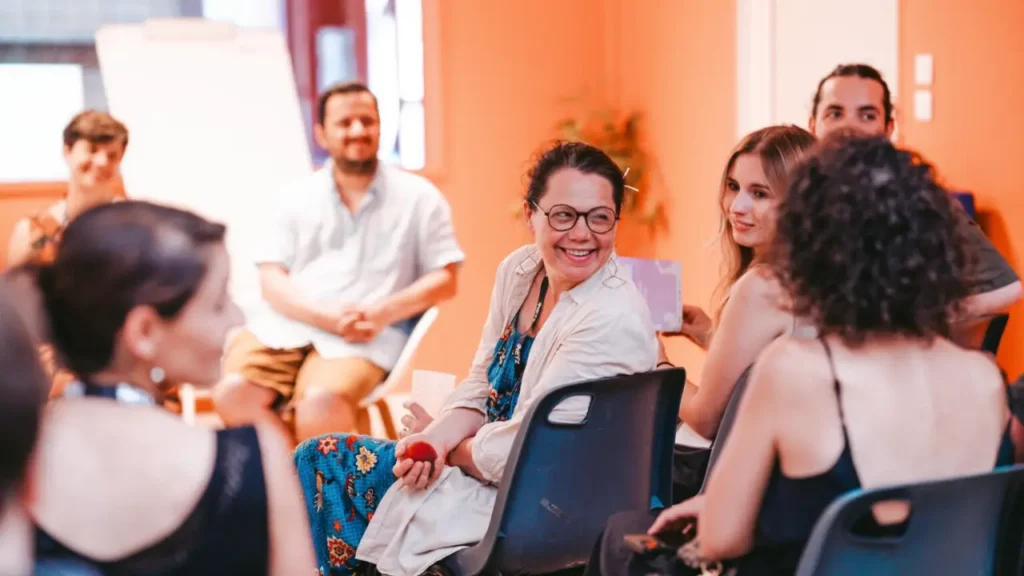
This diversity appears less as fragmentation than as the gradual emergence of a genuine editorial ecosystem. Each publication occupies a particular position, responds to different needs and contributes, in its own way, to a better understanding of a sector that is still relatively young.
From this perspective, the question is no longer simply how to ensure the economic sustainability of specialised media. It is also about recognising their role in structuring digital creation itself. By producing analysis, documenting works, connecting stakeholders and fostering debate, these publications actively contribute to building a shared culture.
As the sector matures, their role therefore extends far beyond that of simple observers. They are becoming stakeholders in its development in their own right.
XRMust takes a new turn as the media outlet documenting the immersive industry